
Mexico Plans New Import Tariffs — What It Means for Cross-Border Logistics
Mexico has announced plans to introduce higher import tariffs on nearly 1,500 products from countries without a Free Trade Agreement (FTA). The proposal, included in the country’s 2026 federal budget, targets categories such as automobiles, electronics, textiles, appliances, toys, and footwear.
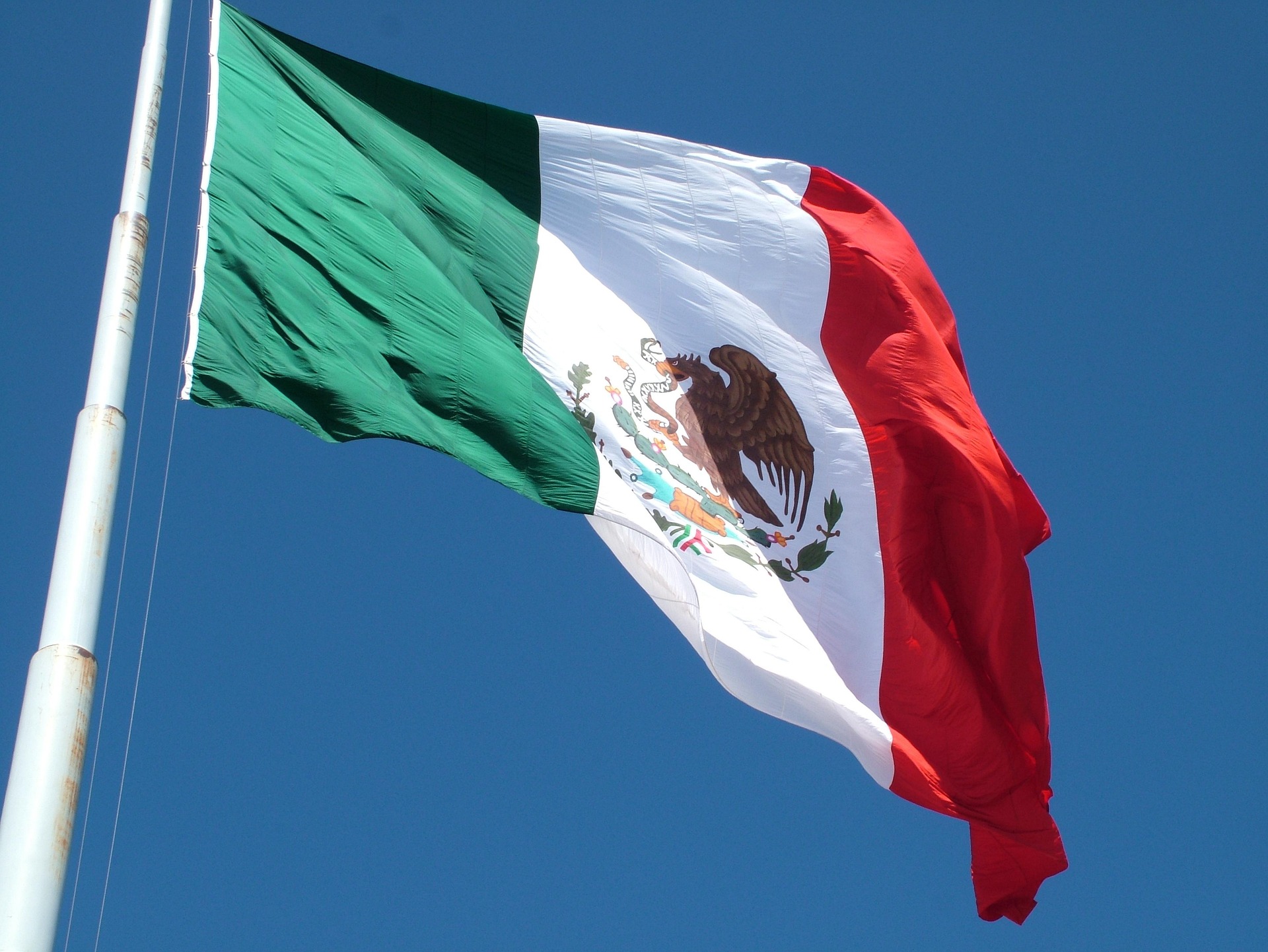
The government says the move is designed to strengthen domestic industries and reduce reliance on imports, while also bolstering its position in global trade negotiations.
Goods traded under the USMCA (United States–Mexico–Canada Agreement) are largely exempt, meaning the new tariffs primarily affect products shipped from nations outside Mexico’s trade agreements — including much of Asia.
What This Means for Shippers and Freight Forwarders
1. Higher Costs and Added Complexity
Tariff increases will raise the landed cost for affected goods and require more detailed customs documentation, such as certificates of origin. Shipments from non-FTA countries could face delays, surcharges, or penalties if paperwork isn’t complete.
2. Supply Chain Shifts
Importers may look to source from USMCA partners or other FTA markets to avoid additional duties. For e-commerce sellers or small-volume importers, margins and delivery times may be under pressure.
3. Routing and Transport Opportunities
Cargo from FTA partners may enjoy smoother customs clearance, while goods arriving from higher-tariff countries will require tighter cost and transit planning. Freight forwarders may see demand for alternative shipping lanes or distribution models.
4. Contract and Pricing Risks
Previously quoted shipping rates or landed cost estimates may no longer reflect actual expenses. Clear agreements on who bears extra charges will be key to avoiding disputes.

Niuku’s Advice for Customers
At Niuku, we’re closely tracking Mexico’s policy changes and their impact on cross-border trade. Here’s how we recommend shippers prepare:
Stay informed: Monitor which products and countries fall under the new tariff regime, and confirm whether your cargo still benefits from USMCA duty-free status.
Review customs documentation: Make sure certificates of origin and HS codes are correct before shipping.
Update cost models: Factor potential tariff increases into pricing, quotes, and contracts.
Evaluate supply routes: Consider sourcing from FTA markets or using bonded warehousing to optimize duties.
Communicate early: Keep your logistics partners in the loop so we can help you plan, mitigate risks, and keep goods moving smoothly.
Moving Forward with Niuku
Policy changes like this highlight the importance of having a logistics partner who understands the nuances of North American trade. Niuku specializes in cross-border freight forwarding between China and the U.S., Canada, and Mexico.
We help businesses navigate complex customs rules, choose the most efficient shipping options, and keep costs under control — even when trade regulations shift.
If your supply chain may be affected by Mexico’s proposed tariffs, contact Niuku’s team today. We’ll assess the impact on your shipments and build a clear, compliant plan to protect your timelines and margins.