
Cross-Border E-Commerce Logistics vs. Traditional Logistics: 3 Core Differences Explained
As global e-commerce continues to surge, cross-border logistics has become the vital bridge between buyers and sellers. Yet many still wonder: how does cross-border e-commerce logistics really differ from traditional logistics? Let’s break down the key differences.
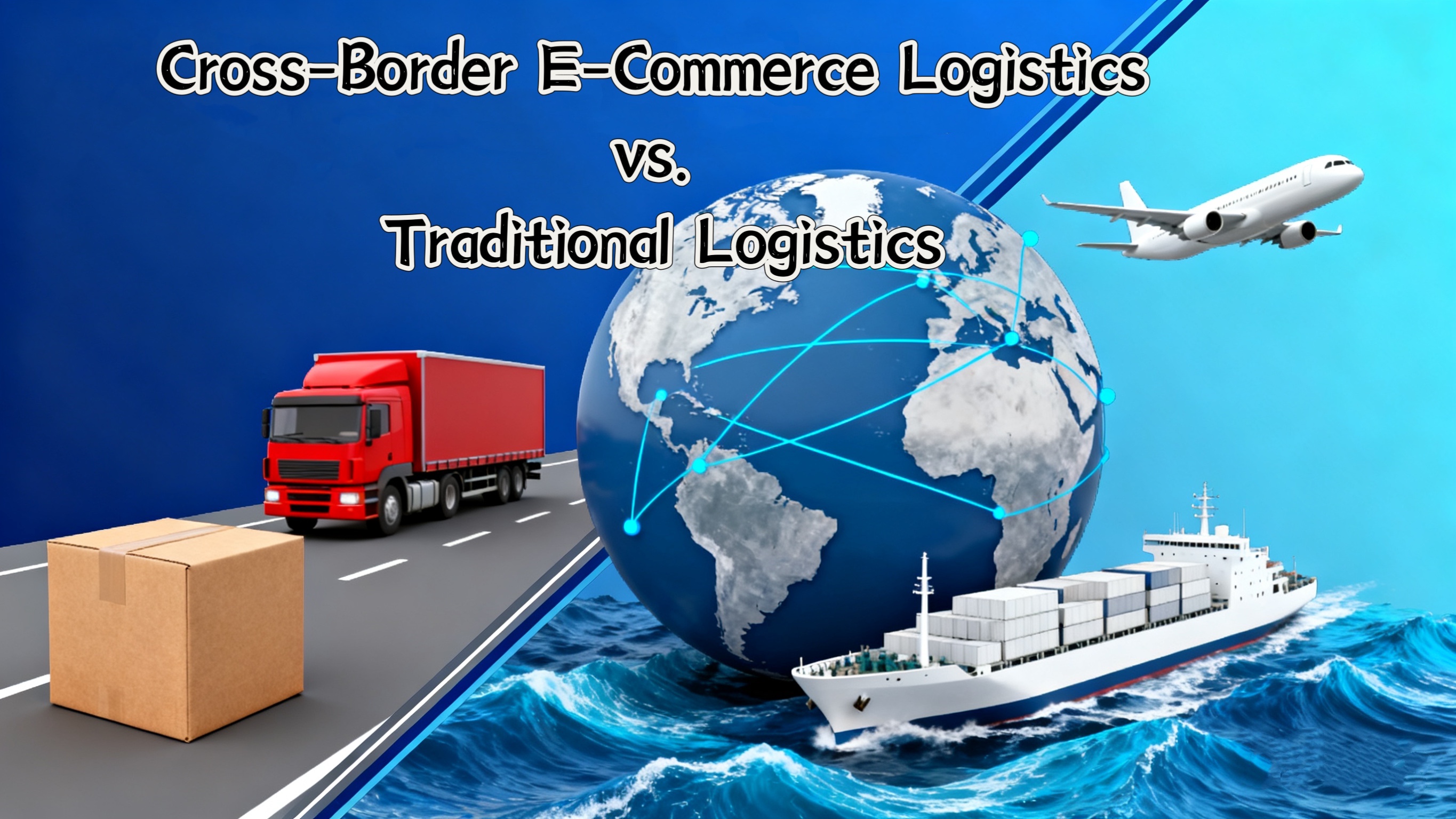
1️⃣ Process Complexity – From Simple to Multi-Layered
Traditional logistics often involves a straightforward route: warehouse → transport → delivery, all within one country. Fewer procedures, fewer moving parts.
Cross-border e-commerce logistics, on the other hand, is a fully integrated network that includes:
International shipping, customs clearance, overseas last-mile delivery, and payment processing
Compliance with two sets of customs regulations — the origin and the destination
Product inspection and quarantine standards that vary by country
Currency conversion and cross-border payments
2️⃣ Time Sensitivity – From Flexible to Demanding
Domestic shipping is usually expected within 3–5 days. That’s rarely enough for online shoppers buying internationally.
Cross-border e-commerce logistics faces tougher challenges:
Consumers want “global shopping” to be as fast as local shopping
Long distances, multiple checkpoints, and customs can delay orders
Top-tier providers strive for delivery within 7–15 days
Peak seasons or global disruptions (e.g., pandemics) make timing even harder to control
3️⃣ Cost Structure – From Transparent to Variable
Traditional logistics costs are generally clear: distance plus weight.
Cross-border e-commerce costs are more dynamic:
International freight often takes up the largest share
Duties, VAT, and other surcharges add layers of expense
Clearing goods through different channels (general trade vs. bonded warehouses) affects price
Returns can cost up to 50% of an item’s value
Exchange-rate swings impact the final bill
How Leading Sellers Optimize Cross-Border Logistics
To meet these challenges, successful e-commerce businesses are:
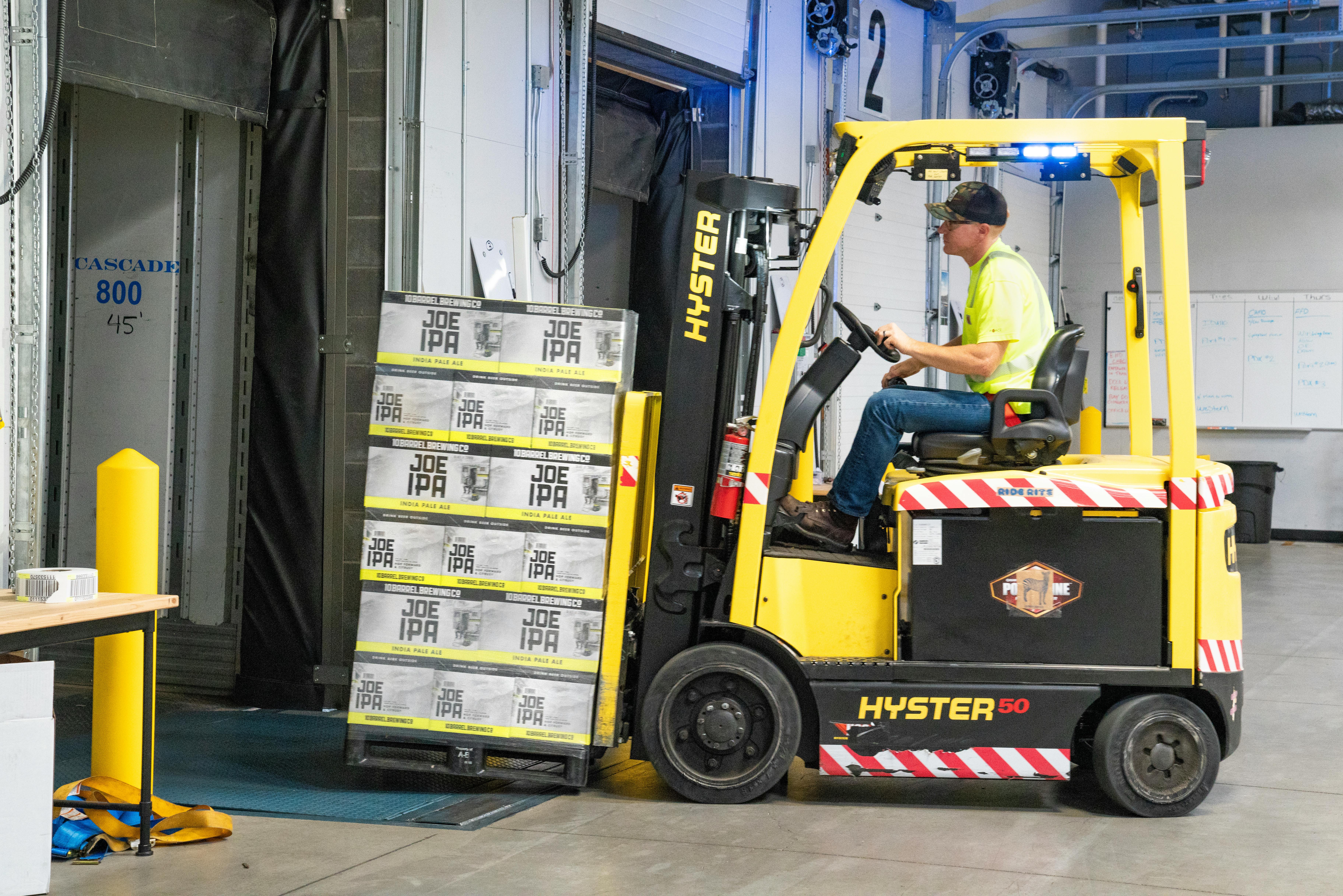
Building overseas warehouse networks for faster local delivery
Using data analytics to forecast demand and pre-position stock
Partnering with experienced cross-border logistics providers
Exploring innovative models such as rail freight and consolidated shipping
Cross-border e-commerce logistics isn’t just “traditional logistics + international shipping.” It’s an entirely new, system-driven discipline. Understanding these differences helps both sellers and shoppers plan smarter and succeed in a global marketplace.
About Niuku International
With over 10 years of experience in cross-border freight forwarding, Niuku International specializes in end-to-end solutions for Amazon FBA and other major platforms. From origin pick-up in China to last-mile delivery in North America and Europe, we streamline your supply chain, optimize costs, and keep your customers happy.
Looking to elevate your global shipping strategy? Niuku Shipping is your trusted partner in cross-border logistics.