
Trump Announces 100% Tariff on All Chinese Imports and Tightens U.S. Software Export Controls
Overview
In a major escalation of the China–US trade war 2025, U.S. President Donald Trump announced on October 10 (Eastern Time) that the U.S. government will impose an additional 100% tariff on all Chinese imports starting November 1, 2025.
This sweeping measure, layered on top of existing tariffs, is expected to push the total duty rate to over 130%, significantly reshaping the cross-border trade and logistics landscape between the two largest economies.
Simultaneously, the White House revealed a new wave of export control measures on critical U.S.-made software, including AI, cloud, and semiconductor design tools — signaling a tightening of technological restrictions on China.
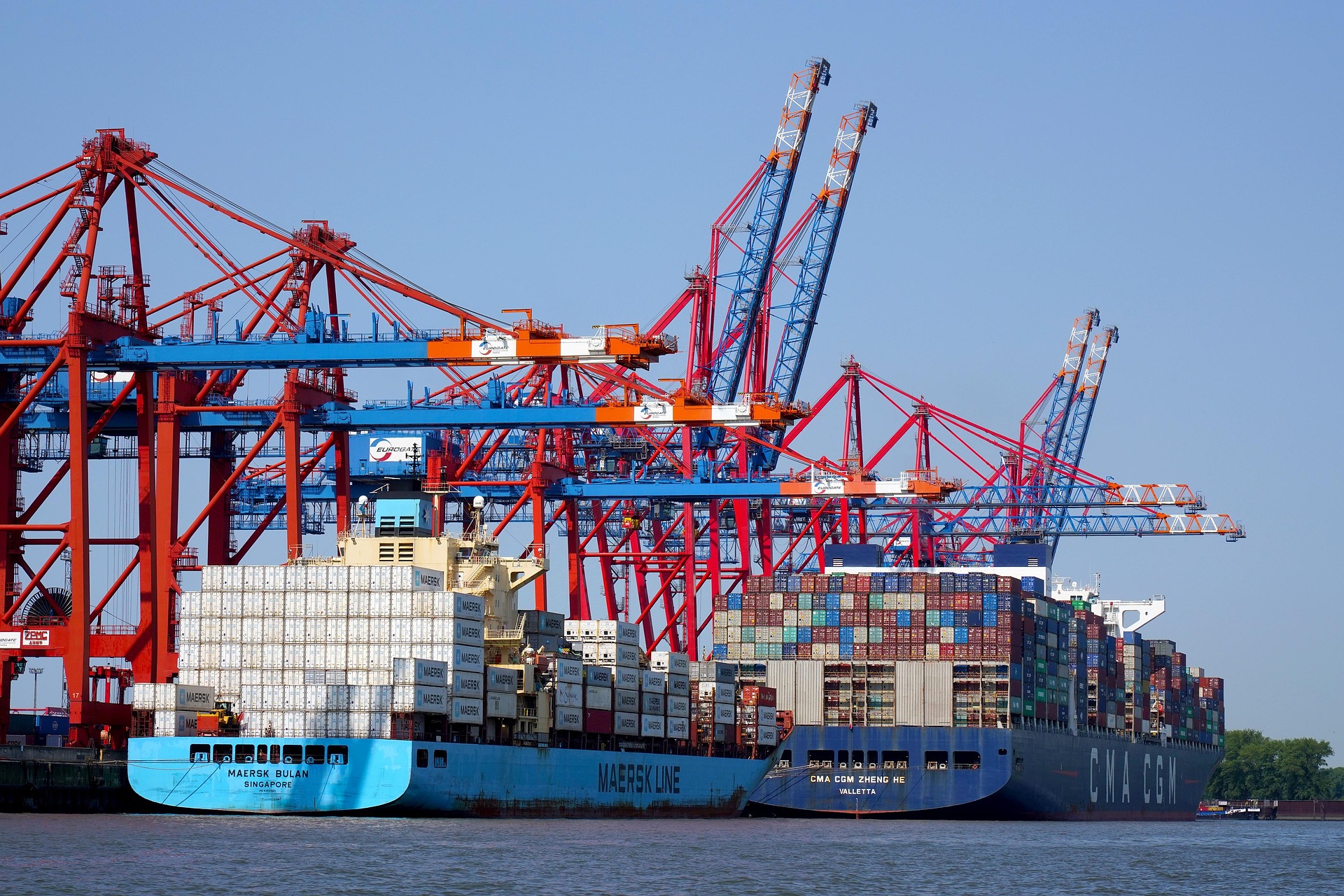
Tariff Details
Scope of Application:
The 100% tariff applies to all Chinese imports, covering consumer electronics (smartphones, laptops), machinery, textiles, toys, and agricultural products.
With China–U.S. trade valued at roughly USD 500 billion in 2024, this decision effectively impacts the entire supply chain for products shipped from China to the United States.
Effective Date:
The new tariff takes effect on November 1, 2025. The administration warned that implementation could be moved forward if China restricts rare earth exports.
Existing tariffs — including the 10% general tariff and 20% fentanyl-related duty — will stack, pushing cumulative import duties to 130% or higher in some industries.
Exemptions and Relief:
Although no exemptions were outlined, the U.S. Department of Commerce is expected to offer temporary waivers for certain strategic goods. However, the approval process will be more selective and compliance-intensive, posing new challenges for importers and freight forwarders.
Software Export Controls
Scope and Coverage:
The export restrictions will target “all critical U.S.-made software”, including:
Operating systems, AI algorithms, and cloud infrastructure
Semiconductor design software (Cadence, Synopsys)
Enterprise-level systems such as Oracle and Microsoft Azure
Control Measures:
All exports, updates, and support services to Chinese entities — especially those on the U.S. Entity List — will now require BIS licensing approval.
Even previously installed software in China may face update restrictions and service termination risks.
Implementation:
The controls will take effect on November 1, 2025, coinciding with the new tariffs.
The U.S. Bureau of Industry and Security (BIS) plans to revise the Export Administration Regulations (EAR), officially listing China as a “high-risk destination.”
Impact on Supply Chain and Logistics
These new trade measures are expected to heavily influence cross-border shipping, freight forwarding, and supply chain operations between China and North America.
Manufacturers, e-commerce sellers, and logistics service providers will face rising costs, longer customs clearance, and greater compliance requirements.
Niuku Shipping’s Response
As a professional cross-border logistics provider, Niuku Shipping is closely tracking the evolving U.S.–China trade policies and assessing their potential impact on shipping operations and cost efficiency.
With extensive overseas warehouse coverage across the U.S., Canada, and Europe, and strong first-leg and last-mile delivery networks, Niuku Shipping continues to offer one-stop freight forwarding solutions for businesses navigating tariff and regulatory challenges.
Our goal is to help clients mitigate trade risks, optimize shipping routes, and maintain stable delivery timelines amid policy uncertainty.